IELTS · Guides · October 24, 2026 · 4 min read
IELTS problem and solution essay: match each solution to a cause, with a sample
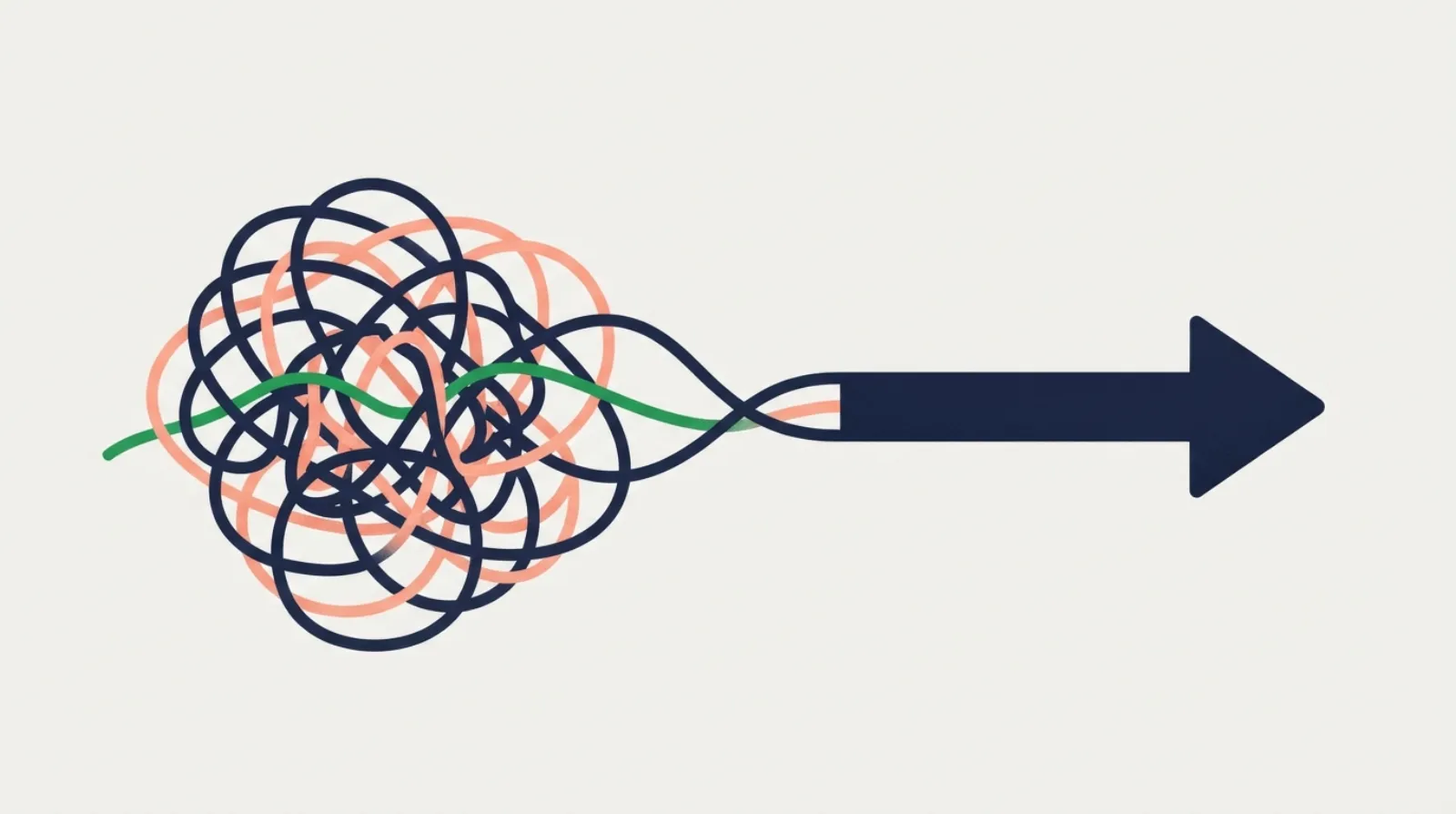
A problem and solution essay describes an issue (traffic, obesity, loneliness, food waste) and asks two questions: usually what are the causes? or what problems does this cause?, and what can be done? or what solutions can you suggest? It is the most predictable of the Task 2 types, and also the easiest to score well on, if every solution answers a cause you have actually described.
How the question is phrased
The first question varies, so read it carefully:
| First question | What it asks for |
|---|---|
| What are the causes / reasons? | why the problem exists |
| What problems does this cause? | the effects of a trend |
| Why is this a problem? | the harm it does |
The second question is almost always about solutions or measures. Answer exactly what is asked: an essay about effects when the task asks for causes loses marks for Task Response, however well written.
The key idea: solutions that fit the causes
The weakest problem and solution essays have causes in one paragraph and unrelated solutions in the other, often vague ones like the government should take action. The strongest essays pair them: two causes, then a solution for each.
| Cause | Solution |
|---|---|
| People buy more food than they need because of bulk offers | shops replace multi-buy deals with lower single prices |
| People misunderstand date labels and throw away safe food | clearer labels and public information |
This makes the essay coherent and the solutions specific.
A four-paragraph plan
- Introduction: paraphrase the problem; say that you will outline the causes and suggest solutions (or name them in brief).
- Body 1, causes: two causes, each explained with an example.
- Body 2, solutions: a solution for each cause, explaining how it would work and who would do it.
- Conclusion: sum up both in one or two sentences.
A sample essay
In many countries, households throw away a large amount of food. What are the causes of this problem, and what measures could be taken to reduce it?
In many wealthy countries, a surprising proportion of the food that people buy ends up in the bin. This essay will argue that the problem is mainly caused by shopping habits and confusion about food labels, and that both can be addressed by changes in retail and better information.
The first cause is the way people shop. Supermarkets encourage customers to buy more than they need through offers such as “buy one, get one free”, and many families do a single large shop each week without planning their meals. As a result, fruit, vegetables and bread often go off before they can be eaten. A second cause is confusion over date labels. Many consumers do not understand the difference between a “use by” date, which concerns safety, and a “best before” date, which only concerns quality, so they throw away food that is still perfectly safe.
These causes suggest clear solutions. Supermarkets could be encouraged, or required by law, to replace multi-buy offers on fresh food with lower prices on single items, so that customers are not rewarded for buying too much. At the same time, governments and retailers could simplify date labelling, for instance by removing “best before” dates from fresh produce, and run campaigns explaining what the remaining dates mean. Schools could also teach basic meal planning and storage as part of cookery lessons.
In conclusion, household food waste stems largely from shopping habits and misleading labels. Changing the way food is promoted and making labels clearer would help families buy only what they need and keep what is safe to eat.
264 words. Each solution in body 2 responds to a cause in body 1, and each one says who would act and how.
Useful language
- Causes: The main cause of… is…, This is largely due to…, …stems from…, A further factor is…
- Effects: As a result,…, This leads to…, Consequently,…
- Solutions: One way to tackle this would be to…, Governments could…, …should be required to…, This would mean that…
Common mistakes
- Answering a different first question: effects instead of causes.
- Vague solutions: people should be more careful, the government should do something.
- Solutions that do not match the causes.
- Too many causes, each with one sentence. Two developed causes are enough.
- Giving an opinion the task does not ask for. A short judgement on which solution is best is fine, but not required.
Practise in the practice room
Problem and solution essays, with band scores for all four criteria and comments:
A sample essay on traffic is analysed in Task 2 sample essays. The general plan for every type is in Writing Task 2 structure.
Common questions
Can I write one paragraph per cause and solution? Yes: cause 1 + its solution, then cause 2 + its solution. It is an equally good plan, and it makes the link between them very clear.
How many solutions do I need? Two well-explained solutions are enough for a high band.
Do I need to say which solution is best? Only if the question asks. Otherwise it is optional.