IELTS · الأدلة · 3 نوفمبر 2026 · 10 دقيقة للقراءة
IELTS Speaking Part 1: 16 سؤالاً شائعاً مع إجابات نموذجية وأخطاء المتحدثين بالعربية
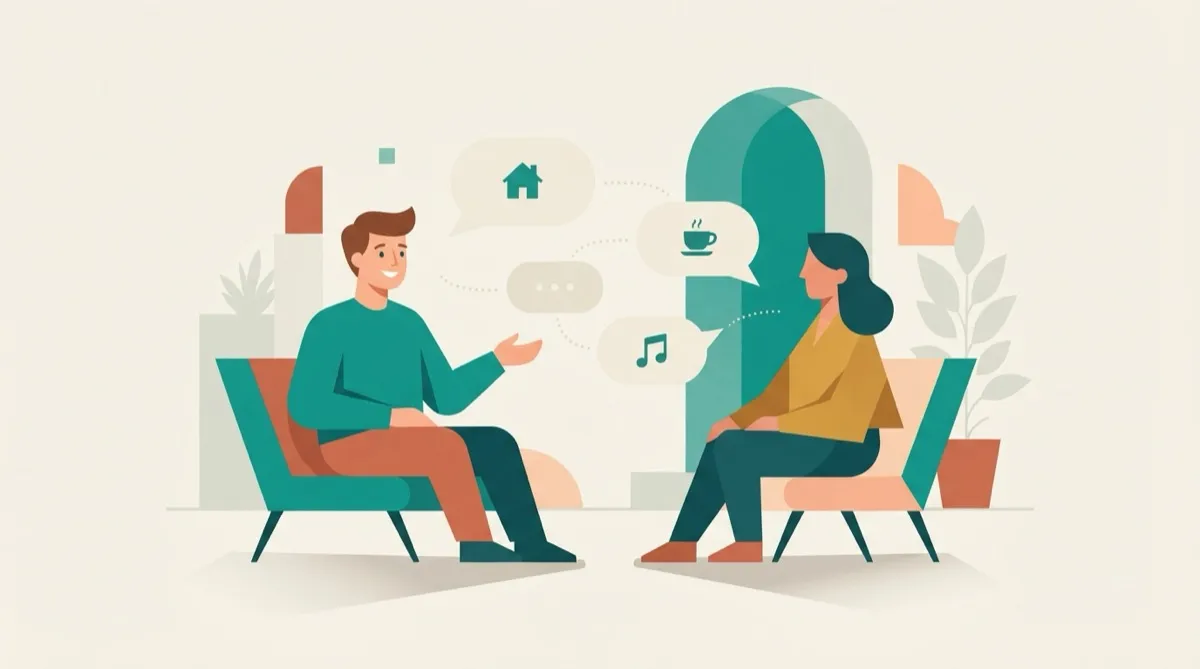
Part 1 هو أول 4 إلى 5 دقائق من اختبار IELTS Speaking. يتحقق الممتحن من هويتك، ويسأل عن اسمك، ثم ينتقل إلى أسئلة بسيطة عنك: مكان السكن، والعمل أو الدراسة، والطعام المفضل، وطريقة قضاء عطلة نهاية الأسبوع.
هذا الجزء تمهيدي، ولهذا السبب بالذات يُستهان به. الأسئلة سهلة، فيجيب معظم المتقدمين بإيجاز شديد. لكن الدرجة تبدأ بالتشكل منذ الدقيقة الأولى.
كيف يسير Part 1
يختار الممتحن موضوعين أو ثلاثة، ويطرح 3 إلى 4 أسئلة في كل موضوع. المواضيع شخصية ومتوقعة: العمل، والدراسة، والبيت، والمدينة الأصلية، والهوايات، والطعام، والطقس، والمواصلات، ووسائل التواصل الاجتماعي.
لا يوجد وقت للتحضير: يُطرح السؤال وتبدأ الإجابة فوراً. ولا حاجة إلى تحضير أصلاً، فكل إجابة تدور حولك أنت.
صيغة الإجابة
أكبر خطأ في Part 1 هو الإجابة بكلمة واحدة. قول «Yes» رداً على «Do you like cooking?» لا يُظهر طلاقة ولا مفردات.
الأفضل اتباع ثلاث خطوات:
- الإجابة عن السؤال مباشرة.
- السبب: لماذا.
- التفصيل: مثال، أو مقارنة، أو توضيح.
هكذا تخرج الإجابة في 2 إلى 4 جمل، أي 15 إلى 20 ثانية. لا حاجة إلى أكثر من ذلك في Part 1، فالممتحن عليه أن يمر على عدة مواضيع.
وتقنية أخرى: الابتعاد عن الإجابة الجافة بنعم أو لا. عبارات مثل «It depends on…» و«For the most part, yes» و«I’d say…» تبدو أكثر طبيعية وتُظهر إنجليزية محكية حقيقية.
العمل والدراسة
Do you work, or are you a student?
I’m currently working as a marketing specialist at a small tech company. I’ve been there for just over two years now, and although it can get pretty hectic, I genuinely enjoy the creative side of the job. Before this, I studied business management at university, so what I do now is quite closely related to my degree.
- «currently»: أكثر طبيعية من «now» وحدها؛
- «it can get pretty hectic»: طريقة أكثر حيوية لقول «busy»؛
- «although…»: جملة استدراك، مفيدة لتنوع القواعد؛
- «closely related to»: مرتبط ارتباطاً وثيقاً بـ.
Do you enjoy your job?
For the most part, yes. What I enjoy most is that no two days are the same, so I never get bored. The deadlines can be stressful, I won’t lie, but the sense of achievement when a project comes together makes up for it. I’d say the pros definitely outweigh the cons.
- «for the most part»: في الغالب؛
- «no two days are the same»: كل يوم مختلف عن الآخر؛
- «makes up for it»: يعوّض عنه؛
- «the pros outweigh the cons»: المزايا أكبر من العيوب.
البيت والمدينة الأصلية
Do you live in a house or a flat?
I live in a fairly small flat on the outskirts of the city. It’s nothing fancy, but it’s cosy and it’s got everything I need. I’ve been renting it with a friend for a couple of years now, and what I like most is how quiet the area is, especially after a long day at work.
- «on the outskirts»: أدق من «far from the centre»؛
- «nothing fancy»: بسيط وعادي؛
- «cosy»: دافئ ومريح؛
- «what I like most is…»: مدخل أنيق إلى التفصيل.
Can you describe your hometown?
I’m from a mid-sized city in the south of the country. It’s not particularly famous, but it has a really laid-back atmosphere and some beautiful old architecture in the centre. The one downside is that job opportunities are fairly limited, which is why a lot of young people move to bigger cities.
- «mid-sized»: متوسطة الحجم؛
- «laid-back atmosphere»: أجواء هادئة ومسترخية؛
- «the one downside is»: العيب الوحيد هو؛
- «which is why…»: تربط السبب بالنتيجة.
نمط «ميزة ثم عيب» مفيد جداً: تبدو الإجابة متوازنة، ويمنحك سبباً طبيعياً لمواصلة الكلام.
وقت الفراغ
What do you do in your free time?
In my free time, I usually try to unwind by doing something active, like going for a run or playing tennis with friends. I find that exercise really helps me clear my head after a long day. On lazier days, though, I’ll happily curl up with a good book or binge-watch a series.
- «unwind»: أدق من «relax»؛
- «clear my head»: التوقف عن التفكير في العمل أو المشكلات؛
- «curl up with a book»: الاسترخاء بارتياح مع كتاب؛
- «binge-watch»: مشاهدة حلقات كثيرة متتالية.
How do you usually spend your weekends?
My weekends tend to be a mix of catching up on chores and seeing friends. On Saturdays I usually run errands and tidy up the flat, and then Sundays are more about relaxing, maybe meeting up with friends for brunch. I always try to strike a balance between being productive and actually resting.
- «catch up on chores»: إنجاز الأعمال المنزلية المؤجلة؛
- «run errands»: قضاء مشاوير ومهام عملية صغيرة؛
- «meet up with friends»: لقاء الأصدقاء؛
- «strike a balance»: إيجاد التوازن المناسب.
بنية «السبت ثم الأحد» إطار جاهز لأي سؤال عن الروتين. ويمكن تكييفها مع عطلة الجمعة والسبت المعتادة في كثير من الدول العربية: «On Fridays… and then Saturdays are more about…».
Do you like reading?
I do, although I wish I had more time for it. I’m mostly into non-fiction, things like popular science and biographies, because I like learning something new. I tend to read in the evenings to wind down before bed, and lately I’ve been getting through about a book a month, which isn’t bad given how busy things are.
- «I wish I had more time»: تركيب افتراضي، مفيد للقواعد؛
- «I’m into»: الاهتمام بـ؛
- «wind down»: الاسترخاء قبل النوم؛
- «get through a book»: إنهاء كتاب.
What kind of music do you like?
My taste in music is pretty varied, but I tend to gravitate towards indie and a bit of jazz. It really depends on my mood, to be honest. When I’m working, I’ll put on something instrumental, but on a night out, I’m all for upbeat pop. Music is a big part of my daily routine.
- «my taste is varied»: أحب أنواعاً مختلفة؛
- «gravitate towards»: الميل بشكل طبيعي إلى؛
- «it depends on my mood»: تحفّظ مفيد؛
- «I’m all for»: التأييد التام لـ.
الطعام
What is your favourite food?
That’s a tough one, because I’m a bit of a foodie. But if I had to choose, I’d probably go with Italian, pasta in particular. There’s just something really comforting about a good homemade carbonara. I’m not much of a cook myself, though, so I usually leave it to the professionals.
- «a bit of a foodie»: شخص يحب الطعام الجيد؛
- «if I had to choose»: مفيدة حين يصعب اختيار شيء واحد؛
- «comforting»: يمنح شعوراً بالدفء والراحة؛
- «not much of a cook»: قلة المهارة في الطبخ.
Do you like cooking?
I’d say I enjoy it more than I used to. I’m no chef, but I can put together a few decent meals, and I find it quite relaxing after work. During the week I keep things simple, but at weekends I like experimenting with new recipes, usually something I’ve come across online.
- «more than I used to»: «used to» تُظهر التغير مع الزمن؛
- «I’m no chef»: لا خبرة احترافية؛
- «put together a meal»: تحضير وجبة؛
- «come across»: العثور على شيء بالصدفة.
التسوق ووسائل التواصل والصور
Do you enjoy shopping?
It depends on what I’m shopping for, really. I quite enjoy browsing for things like books or gadgets, but I find clothes shopping a bit of a chore. These days I do most of it online anyway, it saves so much time, although I do miss being able to try things on before I buy them.
- «it depends on»: تحفّظ طبيعي؛
- «browsing»: التفرج دون خطة محددة للشراء؛
- «a bit of a chore»: مهمة مملة؛
- «try things on»: قياس الملابس للتأكد منها.
Do you use social media a lot?
Probably more than I’d like to admit, to be honest. I mainly use it to keep in touch with friends and to follow a few accounts related to my work. That said, I’ve been trying to cut down recently, because it’s so easy to lose track of time scrolling. I think it’s all about using it in moderation.
- «more than I’d like to admit»: افتتاحية صادقة وطبيعية؛
- «keep in touch»: البقاء على تواصل؛
- «cut down»: التقليل؛
- «in moderation»: باعتدال.
Do you like taking photos?
Yeah, I take photos all the time, mostly just on my phone. I’m not a serious photographer or anything, but I love capturing little everyday moments, especially when I’m travelling. Looking back at old photos is one of my favourite things, it brings back so many memories I’d otherwise forget.
- «all the time»: كثيراً جداً؛
- «capture moments»: تسجيل لحظات صغيرة في صورة؛
- «bring back memories»: تعيد الذكريات؛
- «I’d otherwise forget»: تركيب شرطي.
الحياة اليومية والطقس والمواصلات
Are you a morning person or a night owl?
Definitely a night owl, I’ve never been much good in the mornings. I tend to be most productive late in the evening, when it’s quiet and there are no distractions. Mornings are a bit of a struggle, to be honest, I usually need a coffee or two before I feel properly awake.
- «a night owl»: شخص يكون في أنشط حالاته ليلاً؛
- «most productive»: الوقت الذي ينجز فيه أكثر؛
- «a bit of a struggle»: صعب نوعاً ما؛
- «properly awake»: في كامل اليقظة.
What’s the weather like in your country?
We get quite distinct seasons where I’m from. Winters can be pretty harsh, with a lot of snow, while summers are warm and fairly short. Personally, I’m more of an autumn person, I love that crisp, cool air and the colours. The only thing I can’t stand is the grey, damp weather we sometimes get in spring.
- «distinct seasons»: فصول مختلفة بوضوح؛
- «harsh»: أقوى من «cold»؛
- «I’m more of an autumn person»: أفضّل الخريف؛
- «can’t stand»: أكره بشدة.
هذه الإجابة النموذجية تصف بلداً ثلجياً. في الخليج أو مصر يمكن أخذ البنية نفسها مع حقائق مختلفة، مثلاً: «Summers can be pretty harsh, with temperatures well over forty degrees, while winters are mild and fairly short.»
How do you usually get around your city?
I mostly rely on public transport, the metro in particular, since it’s by far the quickest way to get around during rush hour. Occasionally I’ll walk if it’s somewhere nearby, because I like getting a bit of fresh air. I’m not a big fan of driving here, to be honest, the traffic can be a nightmare.
- «rely on»: الاعتماد على؛
- «by far the quickest»: صيغة تفضيل مُكثّفة؛
- «rush hour»: ساعة الذروة؛
- «a nightmare»: مزعج جداً.
ما الذي يرفع درجة Part 1
عند إعادة قراءة الإجابات، تتكرر أربع تقنيات:
التحفّظ بدل الإجابات الجافة. «It depends on…» و«For the most part» و«I’d say» و«to be honest». يبدو الكلام طبيعياً لا محفوظاً.
الأفعال المركبة (phrasal verbs). «cut down» و«wind down» و«come across» و«get through» و«meet up with». إشارة واضحة لمعيار Lexical Resource، وتناسب المواضيع اليومية بشكل طبيعي.
تنوع الأزمنة. «I’ve been renting» و«I used to» و«I wish I had» و«I’d otherwise forget». هذا هو Grammatical Range and Accuracy، وتنخفض درجته إذا جاءت كل الإجابات بالمضارع البسيط.
المقارنة والاستدراك. «…but» و«That said» و«The one downside is» و«although». تمنحك سبباً طبيعياً لجملة ثانية، فلا ينقطع الكلام.
أخطاء شائعة لدى المتحدثين بالعربية في Part 1
القواعد
- حذف «is/are» تأثراً بالجملة الاسمية العربية: «My city very hot in summer» بدل «My city is very hot in summer».
- أداة التعريف: العربية تعرّف الأسماء العامة، والإنجليزية لا. يُقال «I like music» و«Food is important»، لا «I like the music» بمعنى الموسيقى عموماً.
- ربط جمل طويلة كلها بـ «and»: «I wake up and I go to work and I come back and I…». الأفضل تقسيمها واستخدام «so» و«but» و«which is why».
النطق
- /p/ تُنطق /b/: «people» تصبح «beoble»، و«shopping» تصبح «shobbing».
- /v/ تُنطق /f/: «very» تصبح «fery».
- حرف علة زائد قبل مجموعة الحروف الساكنة: «street» تصبح «istreet»، و«study» تصبح «istudy».
تمارين محددة على هذه الأصوات في دليل النطق في IELTS.
طريقة التدريب
لا داعي لحفظ الإجابات حرفياً. الممتحنون يلاحظون ذلك: الكلام المحفوظ ينساب بسلاسة غير طبيعية وينهار عند أول سؤال متابعة. الأفضل أخذ المفردات والبنية من النماذج واستخدام حقائقك الخاصة.
طريقة عملية: المرور على الأسئلة الستة عشر كلها بصوت مرتفع بإجاباتك أنت، مع استخدام 2 إلى 3 تعابير من الملاحظات في كل إجابة. ثم التكرار بعد يوم: ما يعود إليك تلقائياً هو مفرداتك النشطة.
بعد ذلك: Part 2، وفيه حديث متواصل لمدة دقيقتين من بطاقة، وPart 3، وهو نقاش في مواضيع أوسع. المواضيع المتداولة هذا الموسم في مواضيع IELTS Speaking.
أسئلة شائعة
كم يستغرق Speaking Part 1؟
من 4 إلى 5 دقائق. يطرح الممتحن أسئلة عن موضوعين أو ثلاثة، بمعدل 3 إلى 4 أسئلة لكل موضوع.
ما الطول المناسب للإجابة في Part 1؟
من 2 إلى 4 جمل، أي نحو 15 إلى 20 ثانية: إجابة مباشرة، ثم سبب، ثم تفصيل. الإجابة بكلمة واحدة لا تُظهر شيئاً، والإجابة الطويلة جداً تأخذ وقت المواضيع الأخرى.
هل يمكن حفظ إجابات جاهزة؟
حفظ المفردات والتراكيب مفيد، أما حفظ إجابات كاملة فيضر. الكلام المحفوظ يُكتشف بسهولة، وينخفض بسببه معيار Fluency and Coherence.
هل اللهجة العربية تُخفض الدرجة؟
لا. المهم أن يكون الكلام سهل الفهم. الأخطاء التي تغيّر الكلمة، مثل /p/ و/b/، هي التي تؤثر في Pronunciation، لا اللهجة نفسها.
هل يمكن التدرب على Part 1 مع تقييم؟
نعم. في غرفة التدريب في Nomto يمكنك الإجابة عن أسئلة Part 1 بصوت مرتفع والحصول على Band في المعايير الأربعة مع ملاحظات. يمكنك البدء مجاناً، وتفاصيل الدورة في صفحة IELTS.
لغات أخرى: Oʻzbekcha, Bahasa Indonesia, Português (Brasil), Türkçe, Tiếng Việt, English, Español, Русский