IELTS · الأدلة · 3 نوفمبر 2026 · 8 دقيقة للقراءة
IELTS Speaking Part 3: طريقة مناقشة الأفكار، مع 6 إجابات نموذجية وعبارات للنقاش
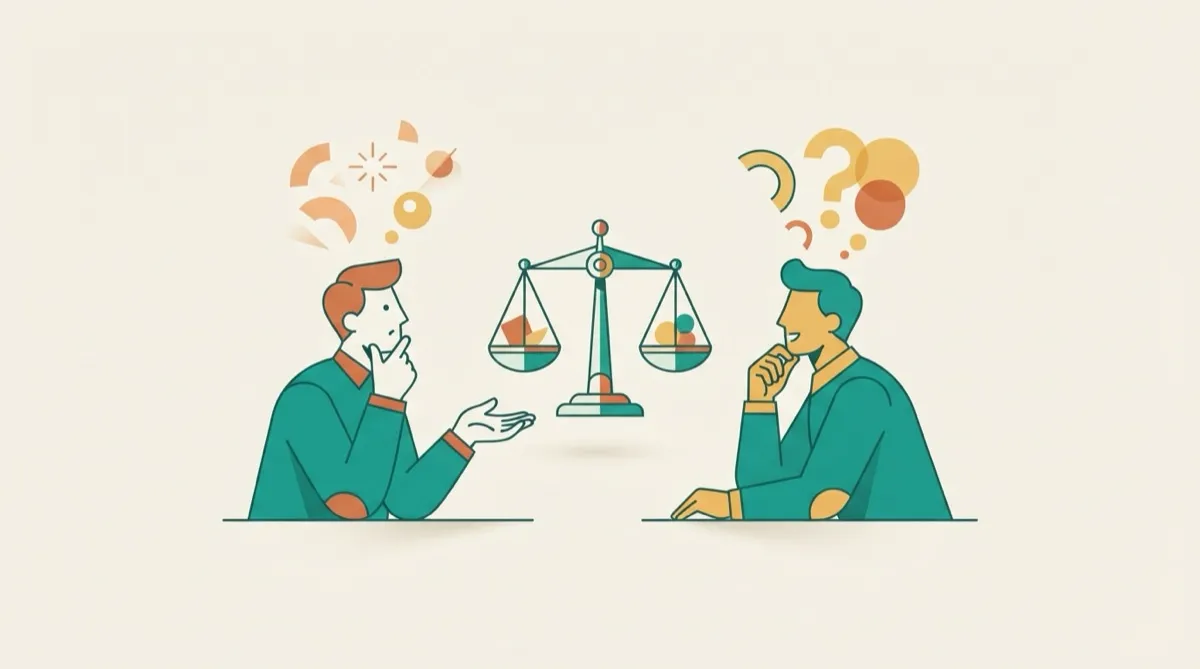
Part 3 هو آخر 4 إلى 5 دقائق من اختبار IELTS Speaking. يأخذ الممتحن موضوع بطاقة Part 2 ويحوّله إلى أسئلة أوسع.
إذا كان الحديث عن رحلة لا تُنسى، فقد يأتي سؤال عن أسباب السفر وكيف تغيّرت السياحة. وإذا كان عن تطبيق، فقد يأتي سؤال عن أثر التكنولوجيا: هل تجعل الناس كسالى؟
هذا هو الفرق الأساسي عن Part 1: هناك كانت الأسئلة عنك، وهنا هي عن المجتمع. في هذا الجزء يتضح للممتحن أكثر من أي مكان آخر هل تصل لغتك إلى Band 7 وما فوقه، لأن النقاش يحتاج إلى مفردات وقواعد وقدرة على بناء حجة متماسكة.
الفرق بين Part 3 وPart 1
| Part 1 | Part 3 | |
|---|---|---|
| الموضوع | الشخص نفسه | المجتمع عموماً |
| طول الإجابة | 2 إلى 3 جمل | 4 إلى 6 جمل |
| ما يُظهره | الطلاقة والطبيعية | عمق التفكير |
| سؤال نموذجي | Do you like travelling? | Why do people travel? |
الخطأ الرئيسي هو الإجابة عن Part 3 بإيجاز Part 1. الرد بـ «Because they like it» على «Why do people travel?» لا يُظهر شيئاً مما يقيّمه هذا الجزء. الإجابة يجب أن تكون مطوّرة.
ثلاثة أنماط للتفكير
يندرج كل سؤال تقريباً في Part 3 تحت واحد من ثلاثة أنماط. معرفتها مسبقاً تُغني عن اختراع بنية تحت الضغط.
النمط 1: عدة أسباب ← استدراك
لأسئلة «why do people…».
Two or three reasons → That said → an observation from another angle
الختام باستدراك يحوّل الإجابة إلى تفكير بدلاً من حقيقة محفوظة.
النمط 2: موافقة جزئية ← However ← خلاصة
لأسئلة «do you agree that…».
To some extent, I’d agree → However → conclusion
لا داعي للتمسك بجانب واحد بصرامة. الممتحن لا يقيّم صواب الرأي، بل القدرة على رؤية الجانبين.
النمط 3: الماضي والحاضر ← توقّع
للأسئلة عن التغيّر.
A decade ago… whereas now… → I think we’re heading towards…
ميزة إضافية: هذا النمط يجلب تنوعاً في الأزمنة بشكل طبيعي، وتنوع القواعد معيار مستقل.
ستة أسئلة شائعة مع إجابات
Why do you think people like to travel?
I think there are a few reasons. For a lot of people, it’s simply about escaping the routine and recharging. But beyond that, travel broadens your horizons, you’re exposed to different cultures and ways of living, which can be really eye-opening. That said, I do think social media plays a part these days, some people travel as much for the photos as for the experience itself.
- «escaping the routine»: الهروب من الحياة اليومية؛
- «broadens your horizons»: يوسّع الآفاق والتجربة؛
- «eye-opening»: يكشف شيئاً جديداً؛
- «plays a part»: له دور وتأثير.
هذا النمط 1 تماماً: سببان، ثم «That said» مع ملاحظة معاصرة.
Do you think technology makes people lazy?
That’s an interesting question. To some extent, I’d agree, things like food delivery apps and remote controls do make it easy to avoid effort. However, I think it’s a double-edged sword. The same technology also gives people access to fitness apps, online courses and tools that make them far more productive. So I’d argue it’s less about the technology itself and more about how we choose to use it.
- «to some extent»: جزئياً؛
- «a double-edged sword»: سلاح ذو حدين، له آثار جيدة وسيئة؛
- «I’d argue»: لغة الاستدلال؛
- «less about X and more about Y»: تعيد صياغة السؤال.
عبارة «less about… and more about…» من أقوى الخواتيم في Part 3: تنقل الحجة إلى مستوى جديد.
Is it important to learn a foreign language?
Absolutely, I’d say it’s more important than ever in today’s connected world. On a practical level, it opens up career opportunities and makes travelling far easier. But beyond that, learning a language gives you a window into another culture and a completely different way of thinking. I’d also argue it builds a lot of confidence. So the benefits go well beyond just communication.
- «more than ever»: الآن أكثر من أي وقت مضى؛
- «opens up opportunities»: يخلق فرصاً؛
- «a window into another culture»: نافذة لفهم ثقافة أخرى؛
- «the benefits go beyond»: الفوائد أوسع من.
تقنية: الفصل بين الفوائد العملية والشخصية يعطي إطاراً لأي سؤال من نوع «هل X مهم».
Is online learning as effective as classroom learning?
It really depends on the learner, I’d say. Online learning is incredibly convenient and flexible, you can study at your own pace, anywhere. On the other hand, a classroom gives you structure and that face-to-face interaction, which some people genuinely need to stay motivated. Personally, I think the ideal is a blend of the two, using online tools for practice and a teacher or group to keep you accountable.
- «it depends on the learner»: تحفّظ مفيد؛
- «at your own pace»: بالسرعة المناسبة لكل شخص؛
- «on the other hand»: تقدّم الطرف المقابل؛
- «a blend of the two»: مزيج من الاثنين.
تقنية: بدلاً من اختيار طرف واحد، يمكن تقديم حل وسط. «A blend of the two» خلاصة ناضجة لأي سؤال مقارنة.
How has shopping changed in recent years?
It’s changed dramatically, mainly because of the rise of online shopping. A decade ago, most people would head to physical stores, whereas now you can buy almost anything with a couple of taps on your phone. This has been incredibly convenient, but it’s also put a lot of pressure on traditional high-street shops. I think we’re heading towards a future where physical stores become more about experience than just buying things.
- «changed dramatically»: تغيّر كثيراً؛
- «the rise of»: نمو وانتشار؛
- «whereas»: في المقابل؛
- «heading towards»: التوجه نحو.
النمط 3 كاملاً. «A decade ago… whereas now…» تصلح لأي سؤال عن التغيّر وتُظهر التحكم في الأزمنة.
Has social media changed the way people make friends?
Massively, I’d say. On the positive side, it’s never been easier to stay in touch or connect with people who share your interests, regardless of distance. The flip side is that a lot of those connections can feel quite shallow, liking a post isn’t the same as a real conversation. So while social media has widened our circles, I’d argue it hasn’t necessarily made our friendships any deeper.
- «stay in touch»: البقاء على تواصل؛
- «the flip side»: الجانب السلبي؛
- «shallow»: سطحي، غير عميق؛
- «widened our circles»: زاد عدد من نعرفهم.
تقنية: خاتمة «أوسع لكن ليست أعمق» تقارن بُعدين للشيء نفسه، ويسهل نقلها إلى مواضيع أخرى.
لغة النقاش
إبداء الرأي: «I’d argue that…» و«It could be argued that…» و«From what I’ve seen…» و«I’d say it comes down to…».
إضافة الفروق الدقيقة: «to some extent» و«that said» و«the flip side is» و«it depends on» و«more often than not».
التعميم دون مبالغة. العبارات المطلقة («everybody thinks» و«all people») تبدو ساذجة. الأفضل: «people tend to…» و«generally speaking…» و«there’s a growing tendency to…».
كسب ثانية بدل الصمت: «That’s an interesting question.» / «I’ve never really thought about it, but I suppose…» / «It’s hard to say for certain, though I’d imagine…». عبارة كهذه أفضل من وقفة طويلة: الصمت هو ما يضر الطلاقة.
ومن المفيد أيضاً العمل على أدوات الربط: في Part 3 هي التي تمسك منطق الإجابة.
قواعد ترفع الـ Band
الأسئلة المجردة تستدعي تراكيب معقدة، فمن الأفضل استخدامها.
- الجمل الشرطية: «If people had more free time, they’d probably…»
- المبني للمجهول: «A lot of emphasis is placed on…»
- المقارنات: «far more convenient» و«nowhere near as effective».
- المضارع التام للتغيّر: «it’s never been easier» و«we’ve seen a shift towards…»
يكفي تركيب أو اثنان في كل إجابة.
ثلاثة أخطاء في Part 3
إجابات قصيرة جداً. صيغة Part 1 (إجابة، سبب، تفصيل) لا تكفي هنا: المطلوب 4 إلى 6 جمل ومنعطف واحد على الأقل في الحجة.
الإطلاق. «Yes, definitely» ولا شيء بعدها ليس نقاشاً. حتى عند الموافقة، من الأفضل إضافة تحفّظ.
الحديث عن النفس. «In my country I…» تعيد الإجابة إلى Part 1. السؤال عن المجتمع، فالإجابة عن الناس عموماً؛ والمثال الشخصي مقبول فقط كتوضيح.
أخطاء خاصة بالمتحدثين بالعربية
- سلاسل «and» الطويلة. في العربية تُبنى الحجة غالباً بجمل متصلة بالواو. في الإنجليزية تبدو الإجابة أوضح بجمل أقصر وروابط تُظهر العلاقة: «However» و«That said» و«So».
- «In my country» في كل إجابة. الحديث عن البلد مفيد كمثال، لكن السؤال غالباً عن الناس عموماً. البدء بفكرة عامة ثم إضافة «In the Gulf, for example,…» أو «In Egypt, for instance,…» يحافظ على مستوى Part 3.
- حذف «is/are». «Online learning very convenient» بدل «Online learning is very convenient».
- أداة التعريف مع الأسماء العامة. «The technology makes the people lazy» بدل «Technology makes people lazy».
- المبالغة في الإطلاق. «All young people are addicted to their phones» تبدو حادة. الأفضل: «A lot of young people tend to spend…».
طريقة التدريب
اختيار أي موضوع من Part 2 وطرح ثلاثة أسئلة عليه: «why do people…» و«do you agree that…» و«how has it changed». ثم الإجابة بصوت مرتفع باستخدام الأنماط الثلاثة. التدريب هنا على البُنى لا على المواضيع: المواضيع لا تنتهي، لكن الأنماط ثلاثة فقط.
تقنية ثانية: الإجابة عن السؤال نفسه مرتين، والمرة الثانية من الجانب المقابل. هذا أسرع ما يكسر عادة الإجابات المطلقة. مواضيع للتدريب في مواضيع IELTS Speaking.
أسئلة شائعة
كم يستغرق Speaking Part 3؟
من 4 إلى 5 دقائق، وهو الجزء الأخير من اختبار Speaking. الأسئلة مبنية على موضوع بطاقة Part 2.
ما الطول المناسب للإجابة في Part 3؟
من 4 إلى 6 جمل: رأي، وسبب، ومثال، واستدراك أو خلاصة. الإجابة بجملة واحدة لا تُظهر عمق التفكير الذي يقيّمه هذا الجزء.
هل هناك رأي صحيح وآخر خاطئ؟
لا. الممتحن يقيّم اللغة والقدرة على بناء الحجة ورؤية الجانبين، لا الرأي نفسه.
ماذا لو لم تكن هناك معرفة كافية بالموضوع؟
يمكن قول ذلك بلغة جيدة: «I’ve never really thought about it, but I suppose…»، ثم تقديم تخمين معقول. الصمت الطويل هو ما يضر، لا قلة المعرفة.
هل يمكن التدرب على Part 3 مع تقييم؟
نعم. في غرفة التدريب في Nomto يمكنك الإجابة عن أسئلة Part 3 بصوت مرتفع والحصول على Band في المعايير الأربعة مع ملاحظات. يمكنك البدء مجاناً، وتفاصيل الدورة في صفحة IELTS.
لغات أخرى: Oʻzbekcha, Bahasa Indonesia, Português (Brasil), Türkçe, Tiếng Việt, English, Español, Русский