IELTS · Rehberler · 30 Ekim 2026 · 3 dk okuma
IELTS Speaking Part 3: tartışma soruları, cevap yapısı ve örnek cevaplar
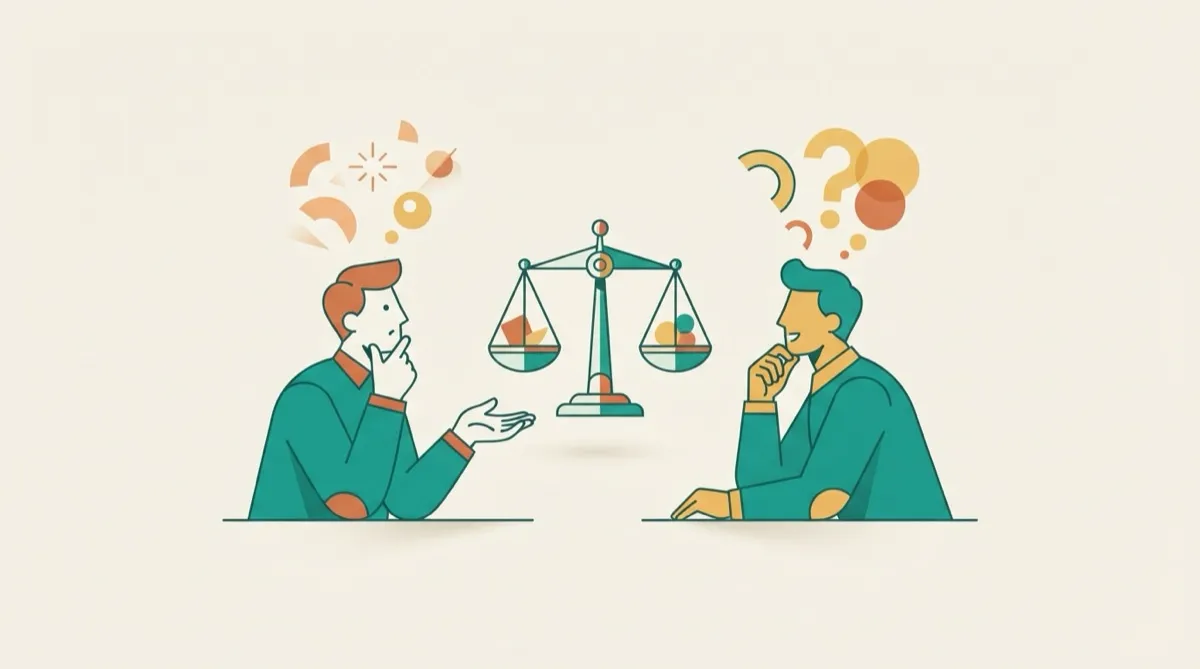
IELTS Speaking Part 3 yaklaşık 4–5 dakika süren bir tartışmadır. Sorular Part 2’deki konu kartıyla bağlantılıdır ama artık senin hayatınla ilgili değil, toplum ve genel eğilimlerle ilgilidir. Part 2’de en sevdiğin parkı anlattıysan, Part 3’te şehirlerde neden daha çok yeşil alan olmalı ya da gelecekte insanlar boş zamanlarını nasıl geçirecek gibi sorular gelir.
Part 3, 7.0 ve üstü puanların ayrıldığı yer. Görevli burada fikir geliştirme, karşılaştırma, tahmin yürütme ve kendi fikrini savunma becerini dinler.
Soru tipleri
| Tip | Örnek |
|---|---|
| Görüş | Do you think people rely too much on technology? |
| Karşılaştırma | How is family life different now from 30 years ago? |
| Sebep / sonuç | Why do so many young people move to big cities? |
| Tahmin | How will cities change in the next 20 years? |
| Değerlendirme | Is it the government’s job to provide public parks? |
| Çözüm | What can be done to reduce traffic in cities? |
Cevap yapısı: Fikir + Açıklama + Örnek + (Öbür taraf)
Part 3 cevabı genelde 4–6 cümle, yaklaşık 30–45 saniye. Basit bir iskelet:
- Fikir: soruya net bir cevap ver.
- Açıklama: nedenini söyle.
- Örnek: Türkiye’den ya da genel bir örnek ver.
- Öbür taraf (isteğe bağlı): başka bir bakış açısını kabul et.
Why do so many young people move to big cities?
I think the main reason is jobs. Most of the well-paid positions, especially in finance and technology, are concentrated in a few big cities. In Turkey, for example, a huge number of graduates move to Istanbul every year, even though rent there is extremely high. Education is another factor, since the best universities tend to be in large cities too. That said, I’ve noticed that since remote work became common, some people are actually moving back to smaller towns, so the trend might slow down.
How will cities change in the next 20 years?
It’s hard to say for sure, but I’d expect them to become a lot less car-centred. Many European cities are already closing their centres to private cars, and I think others will follow because of air pollution. On the other hand, cities like Istanbul are growing so fast that it might take much longer there.
Fikir bulamazsan
Part 3’te sorun çoğunlukla İngilizce değil, fikir. Hızlı fikir üretmek için soruya şu açılardan bak:
- Kim etkileniyor? gençler / yaşlılar, şehir / kırsal
- Ne zaman? eskiden / şimdi / gelecekte
- Neden? ekonomi, teknoloji, kültür, eğitim
- Kim sorumlu? birey, aile, devlet, şirketler
Soruyu düşünmek için birkaç saniye kazanmak doğal: That’s an interesting question… I haven’t really thought about it before, but I’d say… Bunu her soruda kullanma, ama gerektiğinde çekinme.
Türk adayların Part 3’te sık yaptığı hatalar
- Kişisel hikâyeye kaymak. Soru genel; in my opinion ile başlayıp sadece kendinden bahsetmek yerine toplumdan örnek ver.
- Genelleme kalıplarında artikel hatası. The people are busy değil People are busy; The technology changes our lives değil Technology changes our lives. Genel anlamda çoğul ve sayılamayan isimlerde the yok.
- “Will” kullanmaktan kaçınmak ya da her yerde kullanmak. Tahminlerde ton önemli: will probably, might, I’d expect, it’s likely that.
- Karşılaştırma kalıpları. more cheaper değil cheaper; as big than Istanbul değil as big as Istanbul.
- Present perfect ile değişim anlatmamak. Cities changed a lot yerine son yıllardaki değişim için Cities have changed a lot in the last decade.
- Bağlaç tekrarı. Her cümle and ya da because ile başlamasın. That said, On the other hand, As a result, Whereas ile çeşitlendir. Daha fazlası: IELTS linking words.
Görevli seni kesiyorsa
Part 3’te görevli araya girip takip sorusu sorabilir ya da fikrine itiraz edebilir. Bu kötü bir işaret değil; daha uzun konuşabileceğini görmek istiyor. Sakin kal, That’s a fair point, but… ile devam et.
Pratik
Bir Part 2 kartı seç, ardından o konuda üç Part 3 sorusu yaz ve her birini 40 saniyede cevapla. Nomto’nun Part 3 pratiğinde teknoloji, şehirler ve rol modeller üzerine tartışma soruları var; cevabın dört kritere göre değerlendirilir. Part 1 ve Part 2 için: IELTS Speaking soruları, Speaking Part 2.
Diğer diller: Oʻzbekcha, العربية, Bahasa Indonesia, Português (Brasil), Tiếng Việt, English, Español, Русский