Chinese New Year greetings: gong xi fa cai and 30 more wishes
Chinese New Year 2027 falls on Saturday, February 6, and it opens the Year of the Goat. For two weeks people across China, and in Chinatowns from San Francisco to New York, wish each other luck, health and money, and the words they use are short set phrases you can learn in an afternoon. The most famous one, "gong xi fa cai", doesn't actually mean "Happy New Year". Below: what to say, what it really means, how to reply, and how red envelopes work, with characters, tone-marked pinyin and recordings.
How to say Happy Chinese New Year in Chinese
These are the greetings you'll hear most. Any of them works for anyone, from a coworker to your friend's grandmother.
- 新年快乐xīnniánkuàilèHappy New Year!the all-purpose one; also used on January 1
- 春节快乐chūnjiékuàilèHappy Spring Festival!only for Chinese New Year
- 新春快乐xīnchūnkuàilèHappy New Spring!a little more formal: cards, company messages
- 过年好guòniánhǎohappy holidays!spoken, warm, very common when you meet during the festival
- 新年好xīnniánhǎoHappy New Year! (literally "new year, good")
- 恭喜恭喜,新年好!gōngxǐgōngxǐ,xīnniánhǎocongratulations, Happy New Year!
works like the English "happy": 新年快乐 is literally "new year happy". 过年好 is what people say at the door when they come to visit, and the visit itself is called . When is the holiday, why the color red and what's on the table is all in the article Chinese New Year.
What "gong xi fa cai" really means
恭喜发财 (gōngxǐ fācái) is two words. is a respectful "I'm happy for you", and 发财 means "to get rich, to make a fortune". It sounds roughly like "gong shee fah tsai", and the honest translation is "congratulations, and may you prosper", a cheerful wish for a good year with money in it. It's said only at New Year, and nobody finds it greedy: wealth is one of the traditional blessings, next to health and a long life.
"Kung Hei Fat Choi" (also spelled Gung Hei Fat Choy) is the same four characters read in Cantonese, the language of Hong Kong, Guangdong and the older Chinatowns in the US. That's why many Americans know the Cantonese version first. In Hong Kong it's written in traditional characters, 恭喜發財, and the red envelope is called 利是 (lai see) rather than 红包.
- 恭喜发财gōngxǐfācáiwishing you prosperity!Cantonese: Kung Hei Fat Choi
- 恭喜发财,红包拿来!gōngxǐfācái,hóngbāonálái"prosperity to you, now hand over the red envelope!"a joke kids say to relatives
Chinese New Year wishes by theme: health, family, work, study, money
The Chinese name for these is 吉祥话 (jíxiánghuà), "lucky words". Most are four syllables long, and people string two or three together after the greeting: 新年快乐, 身体健康,万事如意! To wish something to one person, start with : 祝你… "I wish you…", or 祝您… to someone older.
- 身体健康shēntǐjiànkānggood healthto anyone, and to older people first of all
- 阖家幸福héjiāxìngfúhappiness to your whole familywhen you greet a family or a parent
- 平平安安píngpíngān’ānsafe and soundto people who travel or live far away
- 万事如意wànshìrúyìmay everything go as you wish
- 心想事成xīnxiǎngshìchéngmay your wishes come true
- 吉祥如意jíxiángrúyìgood fortune, and all as you wish
- 大吉大利dàjídàlìgreat luck and great profit
- 年年有余niánniányǒuyúmay every year leave you more than enough
- 财源广进cáiyuánguǎngjìnmay money flow in from all sidesto business owners
- 生意兴隆shēngyixīnglóngmay your business thriveto shopkeepers and partners
- 工作顺利gōngzuòshùnlìmay work go smoothlyto coworkers
- 步步高升bùbùgāoshēngmay you rise step by stepa wish for a promotion
- 学业进步xuéyèjìnbùprogress in your studiesto students of any age
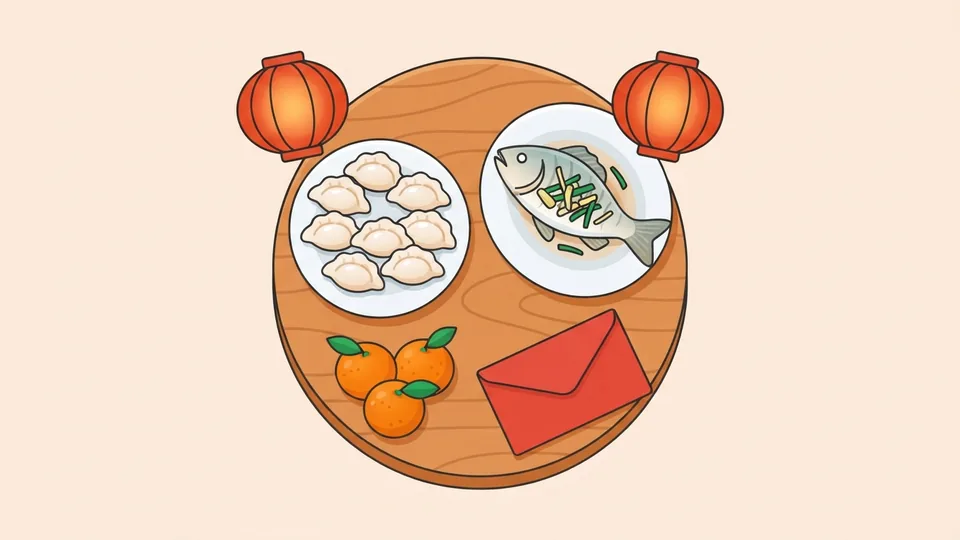
年年有余 hides a pun. 余 yú, "surplus", sounds exactly like , so a fish on the New Year's Eve table, or a fish on a poster, says "may there be plenty left over every year". Traditionally a bit of the fish is left uneaten on purpose. Two recorded lines to practice with:
- 祝你身体健康!zhùnǐshēntǐjiànkāngI wish you good health!
- 祝愿大家新年快乐,身体健康!zhùyuàndàjiāxīnniánkuàilè,shēntǐjiànkāngHappy New Year and good health to everyone!
Wishes for birthdays, weddings and other holidays are in Chinese wishes and blessings.
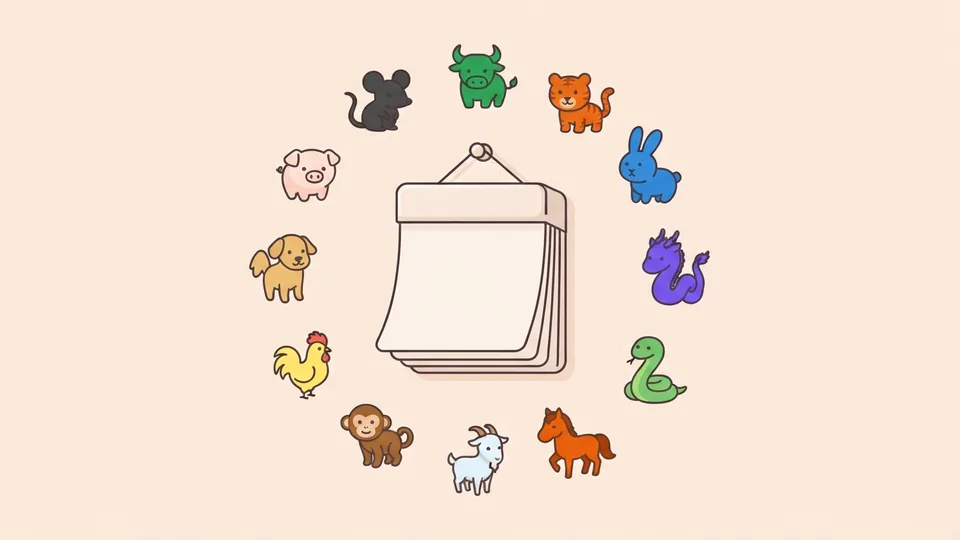
Year of the Goat greetings for 2027
羊 yáng covers goat, sheep and ram alike, which is why you'll see both "Year of the Goat" and "Year of the Sheep". 2027 is a 丁未 year, the FireGoat, and it lasts until January 25, 2028. Until February 5, 2027 it's still the Year of the Horse. The goat is a gift for wordplay, because yáng is also the sound of 阳 "sun, yang" and 洋 "vast, overflowing".
- 羊年大吉yángniándàjígreat luck in the Year of the Goat
- 羊年吉祥yángniánjíxiánga fortunate Year of the Goat
- 喜气洋洋xǐqìyángyángbeaming with joy, a festive mood all around
- 三羊开泰sānyángkāitàithree goats bring in good fortunea pun on 三阳开泰
- 喜气洋洋. An ordinary idiom for a happy, festive atmosphere. In a goat year, ads and posters like to swap in the animal and write 喜气羊羊: same sound, now with goats.
- 三羊开泰. The original is 三阳开泰, "three yang lines open the way to peace", from the Book of Changes: the hexagram 泰 (tài, "peace, prosperity") has three yang lines at the bottom and stands for the first month, when winter turns to spring. It's a classic New Year blessing, and in a goat year it's painted as three goats.
- 羊 and luck. Look at : 祥 has 羊 on the right. Old bronzes even wrote 吉羊 for 吉祥, and 美 "beautiful" has a goat on top. A goat year is an easy year to wish someone luck.
One trap: 洋洋得意 (yángyáng déyì) also has the double yáng, but it means "smug, full of yourself". Don't put it on a card. Everything about the goat sign, its years and the words with 羊 is on the page Year of the Goat, and the full chart of animals and years is in What year is it in China.
How to reply to a Chinese New Year greeting
Thank the person and give the wish back. Repeating their greeting is perfectly fine: 新年快乐! — 新年快乐!
- 也祝你新年快乐!yězhùnǐxīnniánkuàilèHappy New Year to you too!也 "too"; put 谢谢 in front
- 你也是!nǐyěshìyou too!casual
- 同喜同喜!tóngxǐtóngxǐjoy to us both!the standard answer to 恭喜
- 给您拜年了!gěinínbàiniánleI've come to wish you a happy New Year!to an older person, when you visit
- 祝您健康长寿!zhùnínjiànkāngchángshòuI wish you health and a long life!to grandparents, when they hand you a red envelope
Red envelopes: 红包 and 压岁钱
A is money in a red envelope, and at New Year it's the main gift. The New Year money for children has its own name, : 压 means "to press down" and 岁 "year, age". Folk tradition explains it with a demon, 祟 suì, that came for children on New Year's Eve: the coins under the pillow kept it away.
- Who gives to whom. Older to younger: parents and grandparents to children, married relatives to the unmarried young. Working adults often give one to their own parents too, and many companies hand them out to staff.
- How much. An even amount, because good things come in pairs. 8 is the favorite: 八 bā sounds like 发 fā, "to prosper". 6 (六 liù) means things go smoothly. Avoid 4: 四 sì sounds like 死 sǐ, "death". More in Lucky and unlucky numbers in China.
- New bills. Before the holiday people line up at banks for crisp new notes. Old, creased money looks careless.
- Giving and taking. Hand it over with both hands, take it with both hands, say thank you and a wish. Don't open it in front of the giver.
- Digital red envelopes. On WeChat (微信) you can send a 红包 to a friend or drop one into a group chat, where everyone races to grab a share: 抢红包 (qiǎng hóngbāo), "to snatch red envelopes". Lucky-looking sums like 8.88, 66.66 or 168 (一路发, "prosper all the way") are favorites.
The word with examples is on the page 红包, red envelope.
What not to say or do at Chinese New Year
The first days set the tone for the whole year, so older people are careful about words and actions that sound unlucky.
- Words of death, illness and breaking. , , , "poor": leave them out of conversation, even as a joke.
- A broken dish. If one slips, say 碎碎平安 (suìsuì píng'ān). 碎 "in pieces" sounds like 岁 "year", so the bad sign becomes "peace year after year".
- Clocks as gifts. 送钟 sòng zhōng, "to give a clock", sounds the same as 送终, "to see someone to their death". Same for four of anything.
- Sweeping on the first day. You'd sweep the luck out the door. Many families also skip washing their hair: the 发 of 头发 "hair" is the 发 of 发财.
- Black and white. Money goes in a red envelope, never a white one; white and black are the colors of mourning.
Pears, umbrellas and other gifts people avoid all year round are in the article on Chinese wishes linked above.
Chinese New Year messages for a card or WeChat
A good message is the greeting plus two or three wishes. Copy one and change the wish to suit the person. To an older person, a teacher or your boss, write 您 instead of 你.
- 新年快乐!祝你和家人身体健康,万事如意!xīnniánkuàilè!zhùnǐhéjiārénshēntǐjiànkāng,wànshìrúyìHappy New Year! Good health to you and your family, and may everything go your way!to a friend
- 祝您新春快乐,阖家幸福!zhùnínxīnchūnkuàilè,héjiāxìngfúA happy Spring Festival and happiness to all your family!to a teacher, a boss, a friend's parents
- 恭喜发财,羊年大吉!gōngxǐfācái,yángniándàjíProsperity to you, and great luck in the Year of the Goat!to friends and coworkers
- 祝你新的一年学业进步,心想事成!zhùnǐxīndeyìniánxuéyèjìnbù,xīnxiǎngshìchéngIn the new year, may your studies go well and your wishes come true!to a classmate
- 给您拜个早年!祝您羊年吉祥!gěinínbàigezǎonián!zhùnínyángniánjíxiángAn early Happy New Year to you! May the Year of the Goat be a lucky one!sent before the holiday
Late? Write 给你拜个晚年! (gěi nǐ bài ge wǎnnián), "a belated Happy New Year". People say it with a smile right up to the Lantern Festival, two weeks after New Year. For a hand-written card, one big on the front is the classic choice: it's the character people stick on their doors.
If you'd like to say these with real tones, not just copy them, the recording of 新年快乐 broken down syllable by syllable is on the page "Happy New Year" in Chinese.
Say it with the right tones
In the course, 新年, 快乐, 恭喜 and 红包 come up in short lessons with native audio and pronunciation practice. Free during the beta.
Start learning